Introduction
Underground fuel tanks are common across the UK, serving as storage solutions for petrol stations, commercial properties, and even some residential areas. While these tanks provide essential fuel storage, managing and decommissioning them properly when the time comes is crucial. Failing to do so can lead to significant environmental and safety concerns, putting people and the environment at risk.
This blog post will delve into the crucial factors determining when to decommission an underground fuel tank. We'll explore the warning signs to look out for, the decommissioning process itself, and the importance of hiring a qualified professional to handle this sensitive task.
Signs That It's Time to Decommission Your Underground Fuel Tank
Recognising when to decommission your underground fuel tank ensures safety and environmental protection. Here are four key signs that indicate it's time to take action:
1. Age of the tank
Underground fuel tanks typically have a lifespan of around 20 to 30 years. As they age, the risk of corrosion, leaks, and structural failure increases, posing a threat to the surrounding environment. If your tank is approaching or has exceeded its expected lifespan, it's time to consider decommissioning.
2. Corrosion and leaks
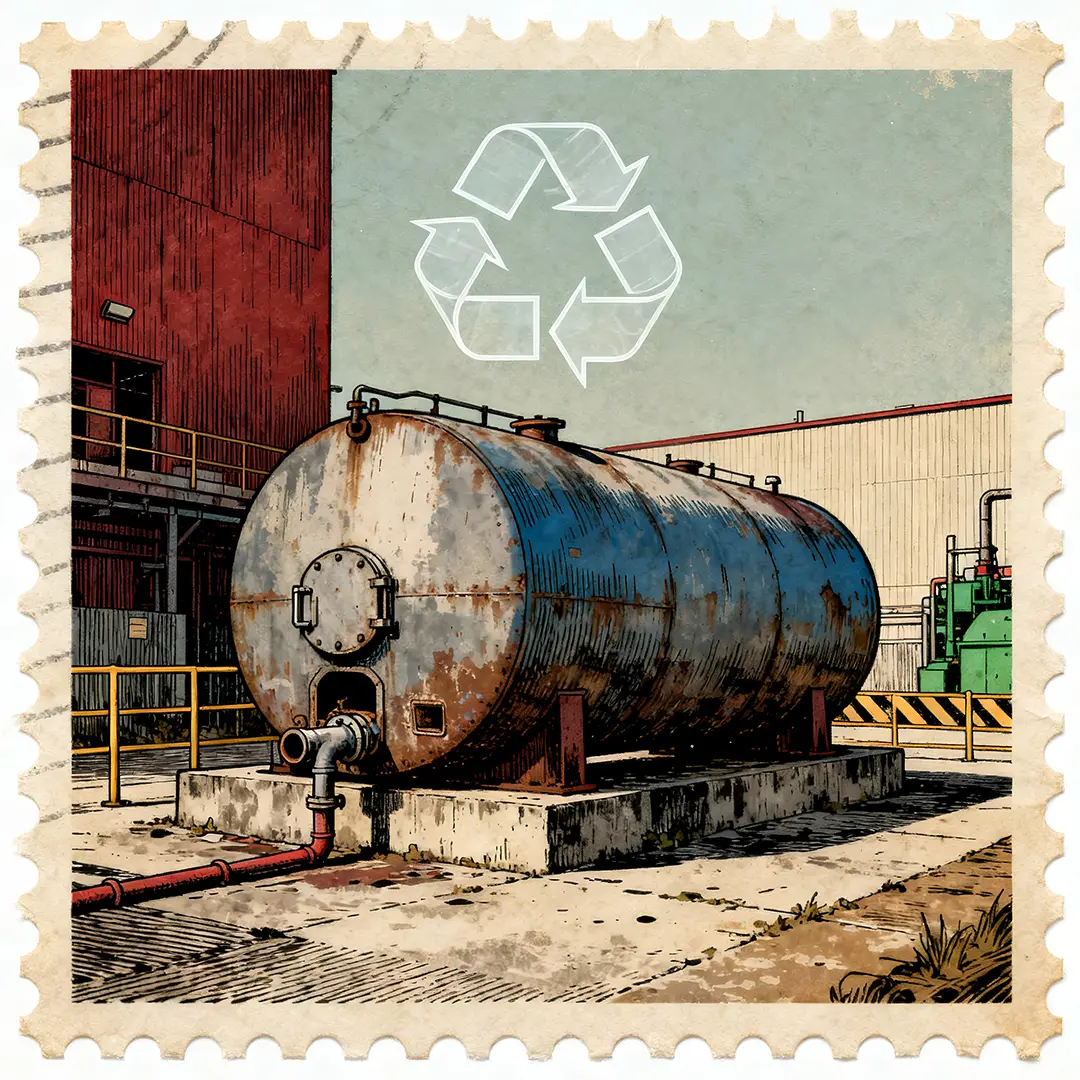
Corrosion and leaks are tell-tale signs that your underground fuel tank requires decommissioning. Look out for any visible signs of corrosion on the tank's exterior or any unusual odours, which may suggest a leak. Additionally, keep an eye on the fuel consumption levels; a sudden increase in fuel usage could indicate a leak. Leaks and corrosion not only pose a risk to the environment but can also be a safety hazard due to the flammable nature of fuel.
3. Changes in regulations and compliance
Regulations regarding underground fuel tanks in the UK are subject to change, and it's essential to keep up to date with these changes to ensure your tank remains compliant. If your tank no longer meets current regulatory standards, it may be time to decommission and replace it with a compliant alternative.
4. No longer in use
If you no longer require your underground fuel tank or if the property it serves has changed its purpose, it's crucial to decommission the tank. Leaving an unused tank underground can lead to corrosion and leaks over time, posing a risk to the environment and public safety.
By watching for these signs, you can promptly decommission your underground fuel tank, ensuring the safety of your property, the environment, and those around you.
Decommissioning Process: Steps and Best Practices
Decommissioning an underground fuel tank is a complex process that requires careful planning and execution. Here, we'll outline the key steps and best practices involved in decommissioning your tank safely and effectively:
1. Assessment and Planning
The first step in decommissioning is to hire a qualified professional to assess the condition of your tank and the surrounding environment. They will help you determine the most appropriate decommissioning method and develop a comprehensive action plan.
2. Removal of Fuel and Cleaning
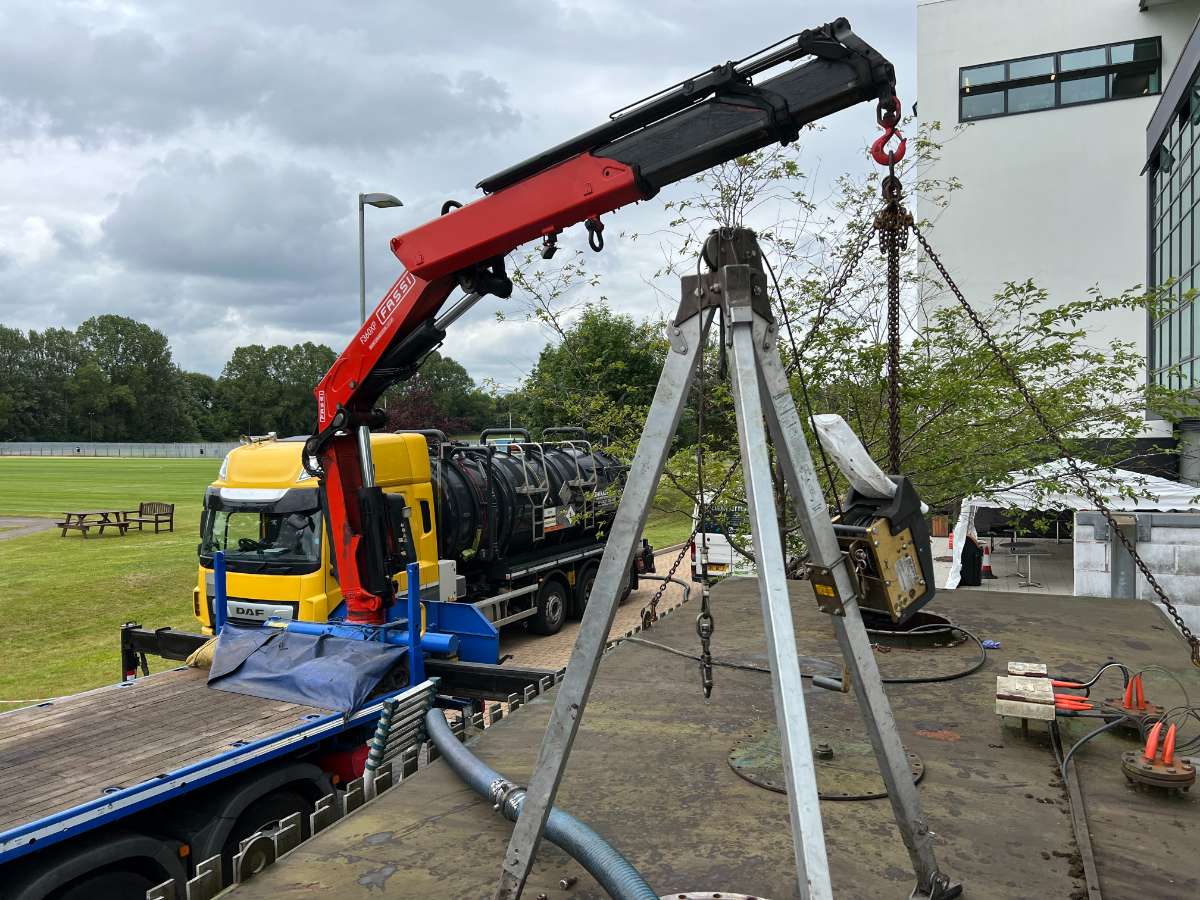
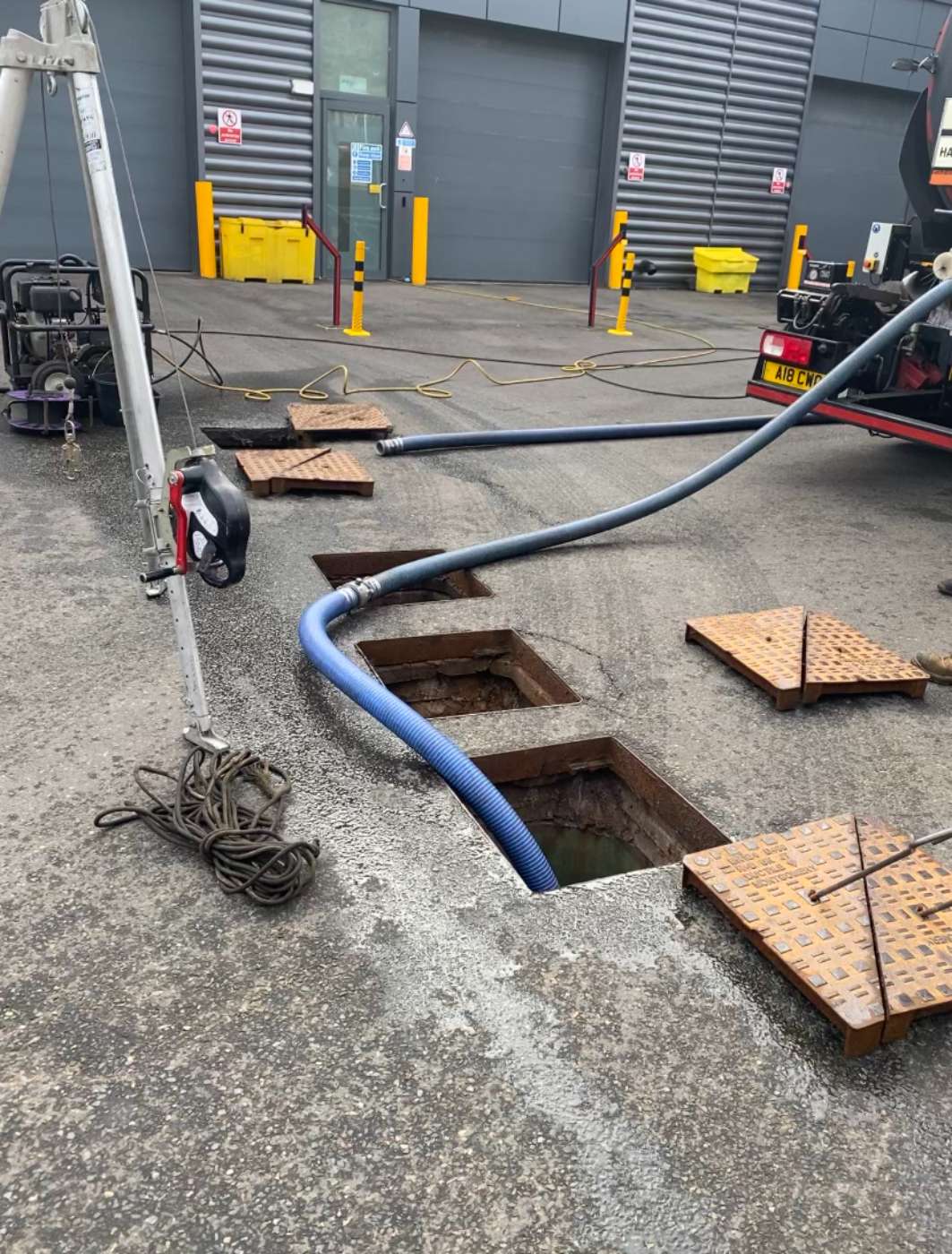
Before decommissioning, all remaining fuel must be removed from the tank. This should be done by a licensed waste carrier, who will ensure the safe disposal of the fuel in accordance with UK regulations. Once emptied, the tank must be thoroughly cleaned to remove any residual fuel and vapours. This is a critical step in reducing the risk of fire or explosion during decommissioning.
3. Decommissioning Options
There are two primary methods for decommissioning an underground fuel tank:
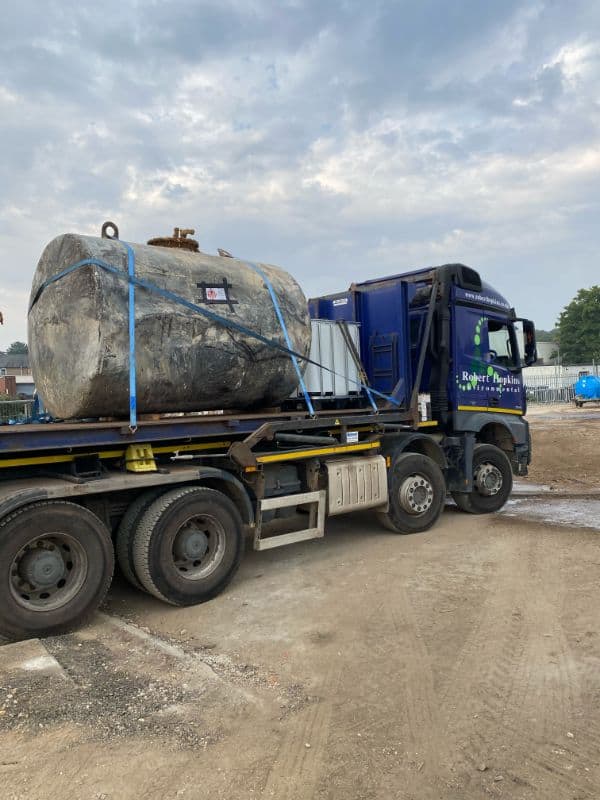
- Removal of the tank: This involves excavating and removing the tank from the ground. While this option can be more costly and labour-intensive, it eliminates the risk of future contamination or structural issues.
- In-situ decommissioning (filling the tank with inert material): This method involves filling the tank with an inert material, such as concrete or foam, to prevent future leaks or structural failure. While this option can be less expensive and disruptive, it may not be suitable for all situations, particularly if there is a risk of groundwater contamination.
Your chosen professional will help you determine the most appropriate option based on your circumstances.
4. Environmental Impact Assessment and Remediation
After decommissioning, it's essential to assess the impact of the tank on the surrounding environment. This may involve soil and groundwater testing to identify any contamination that may have occurred during the tank's lifetime. If contamination is found, remediation measures must be taken to restore the affected area to a safe and acceptable condition.
5. Documentation and Reporting
Proper documentation and reporting are crucial throughout the decommissioning process. This includes obtaining any necessary permits and ensuring all waste materials are disposed of in accordance with UK regulations. Additionally, you must report the decommissioning to relevant authorities, such as the Environment Agency or local council, to ensure compliance with all legal requirements.
Choosing a Qualified Contractor
When decommissioning an underground fuel tank, selecting the right contractor is crucial for ensuring a safe, efficient, and compliant process. Here are some key factors to consider when choosing a qualified professional to handle your decommissioning project:
- Experience and expertise: Look for a contractor with a proven track record in decommissioning underground fuel tanks. Their experience should demonstrate a thorough understanding of the process, safety protocols, and regulatory requirements.
- Certifications and qualifications: Ensure the contractor holds relevant certifications and qualifications, such as accreditation from the Environment Agency or membership in industry associations. These credentials indicate that the contractor adheres to industry standards and best practices.
- Insurance and liability coverage: A reputable contractor should have adequate insurance coverage to protect you and their team in case of any accidents or damage during the decommissioning process.
- Environmental commitment: Choose a contractor who prioritises environmental protection and follows sustainable practices in their work. This includes proper waste disposal, remediation services, and a commitment to minimising environmental impact.
- Customer reviews and testimonials: Research the contractor's reputation by reading customer reviews and testimonials. This can provide valuable insights into the quality of their work, professionalism, and customer satisfaction.
Or take out the guesswork and hire Bio Clean Jetting! We are a leading UK-based company specialising in fuel tank decommissioning, cleaning, and removal services. With an experienced team and a strong commitment to environmental protection, we offer comprehensive solutions for your underground fuel tank decommissioning needs. Click here to find out more about our tank removal services.