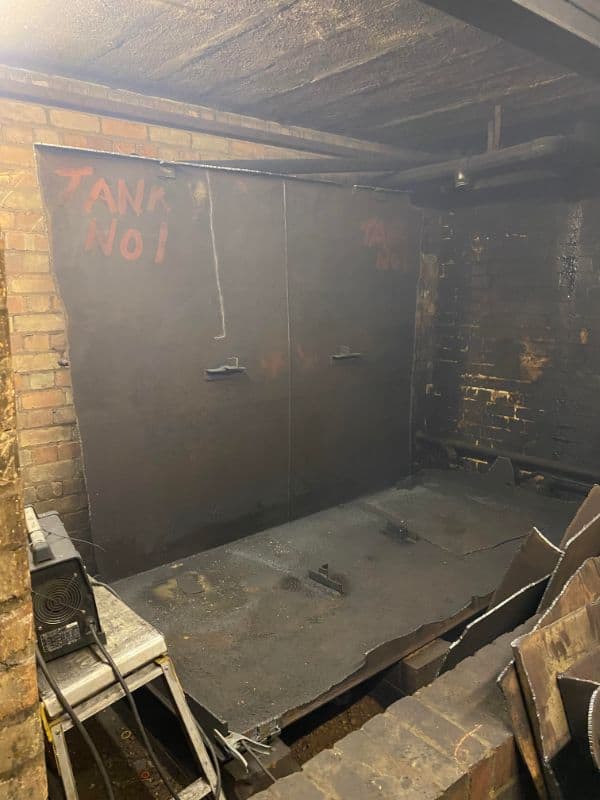
The removal of Industrial tanks creates numerous Waste Streams (Liquid, Solid, & Gas) that have to be assessed, classified, transported, and disposed of according to the relevant UK Environmental Legislation, regardless of tank size, tank location, or tank position (above or below ground).
Waste management is a fully regulated part of the removal process. It presents the most significant legal and environmental risks to Duty Holders. The incorrect classification of waste, inadequate documentation, or the use of unauthorised carriers can result in Enforcement Action and long-term Liability.
This article will detail how waste is dealt with on Compliant Industrial Tank Removal Projects and what Duty Holders should reasonably expect from a proper Waste Management Process.
Types of Waste Generated During Tank Removal
Removal of a storage tank is likely to produce a variety of waste streams (each with its own set of risks and disposal requirements) that need to be evaluated individually:
- Residues, sludges from stored products
- Wash water contaminated with chemicals used in the cleaning of industrial tank operations
- Absorbed vapours and hydrocarbons in coatings applied inside the tanks
- The steel or composite portions of the tank
- Consumables, absorbents, and filters contaminated with chemicals
- Materials that were excavated when removing an underground storage tank.
These types of waste streams are often subject to differing levels of hazard and differing waste disposal requirements. Treating all waste generated as one single type will introduce a degree of compliance risk.
Waste Classification and Hazard Assessment
Before leaving a site, waste has to be correctly classified; this determines how it will be transported, where it can be disposed of and what documentation needs to accompany it.
The classification usually considers factors such as:
- Chemical makeup of residues
- Presence of hydrocarbons or dangerous substances
- Flash point and potential for fire
- Potential toxicity and harmful effects on the environment
- Solid, liquid, sludge, etc., physical form
If necessary, sampling and laboratory testing can be carried out to prove classification. No hazardous or non-hazardous waste should not be blended.
Correct classification is essential to protect the duty holder from being convicted of an offence due to misdeclaration and from having financial responsibility for any further damage that may occur.
Duty of Care and Legal Responsibility
The owner of waste (the "producer") remains under a duty of care for all of their waste until it has gone through the whole process of disposal at a licensed waste treatment facility. The duty of care cannot simply be passed on from one person to another via the appointment of a contractor.
The Duty Holder must ensure that:
- The waste is described and classified in accordance with applicable regulations
- Only licensed waste carriers are employed for the transportation of the waste
- that the authorised waste disposal facility accepts the type of waste
- The documentation accurately records the movement and quantity of the waste
Should the waste be mishandled subsequent to its departure from the site, legal action could potentially be taken against the original Producer of the waste.
Waste Transport and Licensed Carriers
Only licensed waste hauliers can remove regulated waste. Before removing waste from a location, you must confirm your registration status.
All waste transportation plans should contain:
- Methods for preventing spills and leaks during transport.
- Procedures for safely loading and securing the waste in transit.
- Safeguards for separating incompatible wastes.
- Documentation and/or tracking systems to follow each load of waste from its origin to its final disposition site.
If you fail to verify whether a haulier is registered with an agency responsible for regulating the transportation of regulated materials, or if you do not create and enforce regulations to ensure safe and secure transportation of regulated waste, you could potentially put yourself and others at risk of being held liable for any violations.
Waste Transfer Notes and Consignment Documentation
All movements of waste should have proper documentation to accompany them.
Depending upon the type of waste, the proper documentation may include:
- Waste Transfer Notes (WTN)
- Consignment Documents for Hazardous Wastes
This documentation includes:
- The type and classification of the waste
- The quantity and physical condition of the waste
- The identity and contact information for the waste transporter
- The name and location of the facility where the waste was sent for disposal
- The date and time of transfer and all other locations where the waste was transferred
You should keep records of this documentation for auditing, inspection, or as evidence for claims for damages or losses.
Disposal Routes and Licensed Facilities
All contaminated waste materials removed from tanks will need to be disposed of at approved disposal locations that have been specifically authorised to handle the contaminant(s) found within the waste.
Examples of acceptable disposal sites for contaminated waste are:
- Treatment facilities for hazardous waste
- Sludge processing facilities for hazardous wastes
- Recycling facilities for metals (following decontamination)
- Landfill or treatment facilities that are approved to treat contaminated waste
Prior approval is necessary prior to removal operations so as to ensure timely and compliant removal of waste materials.
Environmental Risk Control During Waste Handling
A significant risk with waste management is potential contamination, which must be managed appropriately to ensure compliance. Measures included in compliant project management include:
- Protections for secondary containment of liquids
- Protection of the ground surface and spill mats
- Isolation of drains
- Decanting and transferring waste under control
- Developing emergency spill response plans
These measures will protect the land, drain systems and the local environment from the possibility of an accidental release.
Documentation and Audit Trail
A compliant tank removal project produces a clear waste audit trail, which may include:
- Waste classification records
- Transfer and consignment notes
- Carrier licences
- Disposal facility permits
- Completion and handover documentation
This documentation supports regulatory compliance, property transactions, and future site management.
Integrating Waste Management Into Removal Planning
Tank removal plans should include waste management as a proactive aspect of the process - not just as something that happens as you go along. A good removal plan will consider:
- The amount of waste expected
- Classification of the waste
- Storage and containment of the waste at the site
- Transportation of the waste (scheduling)
- Lead times for disposal
This approach will minimise programmatic risks and ensure controlled removal operations.
Supporting Compliant Tank Removal
Bio Clean Jetting has managed all aspects of waste classification, transportation and disposal during controlled removal of industrial storage tanks throughout the United Kingdom. All Bio Clean Jetting tank removal projects begin with assessing, documenting and then transferring all waste streams to licensed transportation carriers and then utilising approved disposal routes.
Traceability and compliance with regulations and laws protecting the environment are always included in all our operations.