Tank Removal & Decommissioning Services
Tank removal is the process of safely removing an oil tank or a combination of old oil tank(s), heating system (s) and/or fuel tank(s) from service through professional cleaning, tank decommissioning, isolation and removal from property for disposal.


Overview
Tank removal is the controlled cleaning, decommissioning and removal of oil tanks, heating oil tanks and fuel storage systems that are no longer required or have reached the end of their service life.
Oil tanks are classified as hazardous until professionally cleaned and certified gas free. Removal involves draining remaining fuel, removing sludge and vapours, issuing gas free certification where required, and safely dismantling or excavating the tank. All waste materials are handled and disposed of in accordance with environmental regulations.
Underground tanks require additional control due to restricted access and potential contamination risks. Where full removal is not viable, solid filling may be used as a compliant decommissioning method.
Professional tank removal eliminates environmental liability, reduces safety risk and ensures compliance with current health and safety and waste legislation.
All oil tanks present hazardous conditions until such time as they have been thoroughly professionally cleaned. Deterioration of any type, age, or lack of use creates multiple types of risk, including the creation of a hazardous situation for people and pets and the possibility of environmental contamination with all associated regulations and remediation costs.
Bio Clean Jetting has over twenty years of experience in providing national tank removal and tank decommissioning services. Each project is completed in accordance with all applicable environmental regulations, waste management regulations, building regulations, and current health and safety standards. A full documentation package (including gas-free certification and waste transfer records) will be supplied on completion, when required.
For residential works, see our dedicated Oil Tank Removal service.
Professional Oil Tank Services
Oil tank removal is required when heating oil systems are upgraded, when domestic oil tanks reach the end of their service life or when commercial fuel tanks become obsolete. Most tanks have an average lifespan of approximately 20 to 30 years.
As oil tanks age, corrosion, structural failure and vapour build-up increase the environmental impact and safety exposure.
Removal of a tank may be required in cases of:
- Visible signs of deterioration are evident on an existing tank.
- The heating oil tank has been disconnected.
- Following redevelopment, an unused tank remains at the site.
- Leakage has resulted in unaccounted for fuel losses and/or contamination.
Removing an old tank (especially one that's underground) is a proactive measure to manage liability, prevent environmental contamination and maintain environmental responsibility.

The Tank Removal Process
Each tank will have a full site survey and a detailed risk assessment prior to the removal process commencing. Each site is assessed for its environmental surroundings, the state of the oil tank and whether there is any remaining oil in the tank.
Following the site survey, each tank will be drained of heating oil or other fuels that may be present in the tank. The tank will then be cleaned to remove any hazardous materials and sludge from inside the tank.
All tanks must be fully cleaned and purged before they are taken apart. A gas free certificate will confirm that all harmful vapours have been removed from the tank, and it is safe to work on the tank.
For dedicated certification services, see our page on: Gas Free Certification for Industrial Tanks.
Full removal of a tank requires trained operatives using specialised equipment for efficient and safe removal. Underground tanks will likely need controlled excavation for removal. If removal is not feasible, safe decommissioning can include degassing followed by filling with an inert substance that renders the tank securely in place.
A full step-by-step breakdown is available in our Oil Tank Removal Process Guide.
Domestic Oil Tanks and Heating Oil Tank Systems
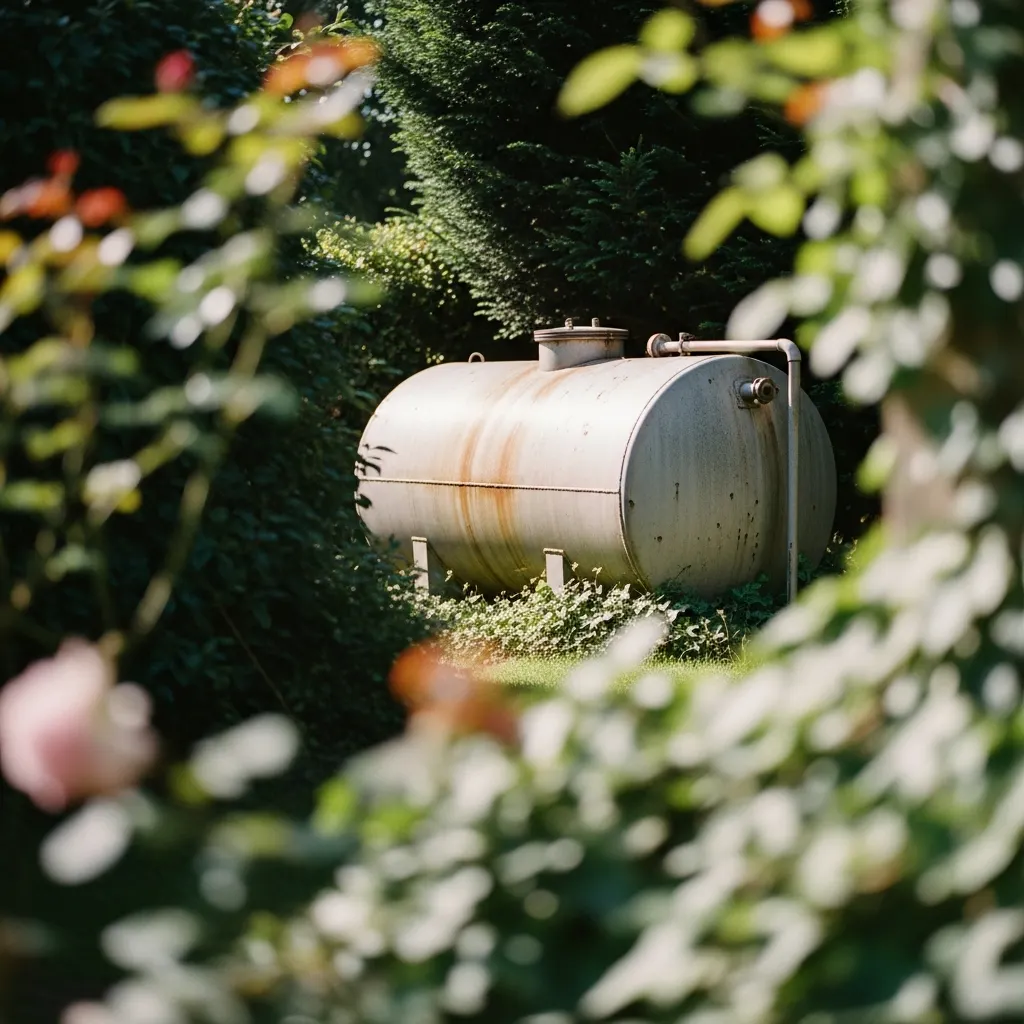
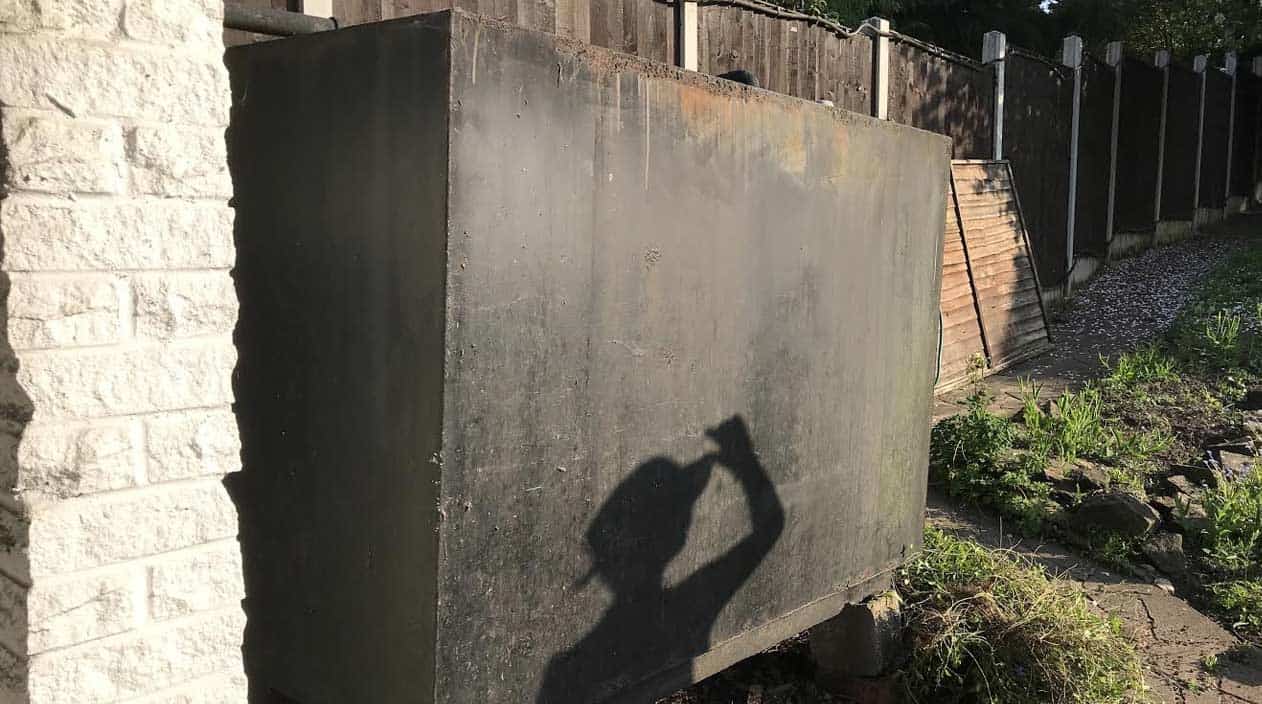
Domestic oil tanks and heating oil tank systems are commonly installed above ground, within gardens or beneath driveways. An old oil tank can deteriorate unnoticed, increasing the risk of leaks and contamination.
Many mortgage providers, insurance companies and property buyers will also require that all old heating oil tanks be removed prior to their participation in a purchase or sale. The removal of an abandoned tank can reduce liability for the seller and provide greater confidence for the buyer in the transaction.
Domestic Oil Tank Removals will normally entail:
- Safe decommissioning and clean-up of your domestic oil tank.
- Confirmation that the tank is gas free (this confirms that there are no remaining dangerous fumes or gases within the tank).
- Removal of plastic oil tanks and steel storage tank units from your property.
- Waste disposal and full waste documentation.
If you have any heating oil left in your tank, we will safely drain this and dispose of it in an environmentally friendly and legal way to minimise the risk of any environmental damage.

Commercial Fuel Tanks and Industrial Storage Tank Removal
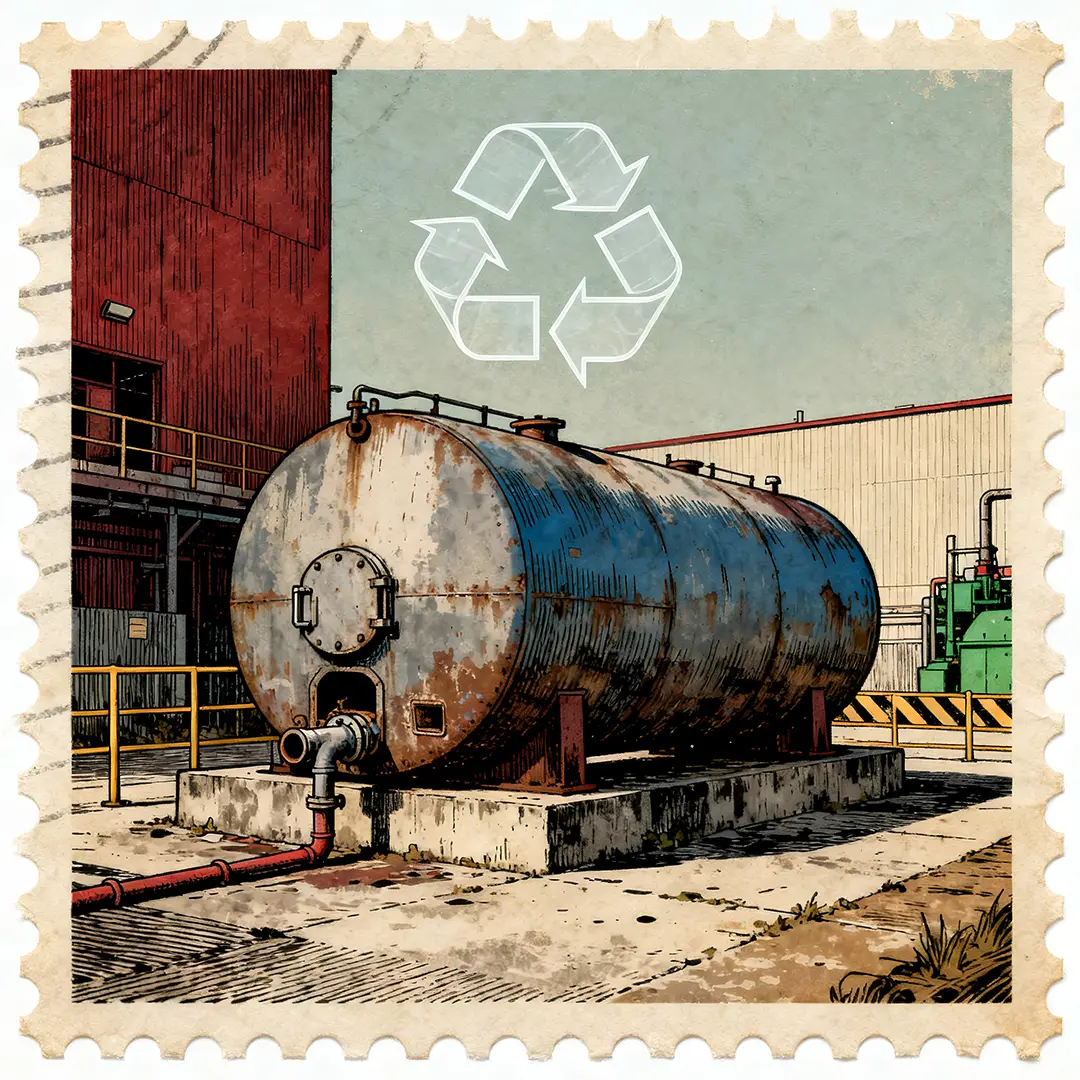
Commercial fuel tanks and industrial oil tanks often operate within live facilities and bunded areas. These storage tank systems require careful planning to ensure minimal disruption to operations.
Leakage from older tanks may not be immediately apparent - especially those that are underground. An unexplained increase in fuel consumption or an unusual smell of fuel could be indicative of contamination.
The excavation and cleaning up of oil leaks can prove expensive; in some cases, the cost of clean-up can exceed £20,000, depending upon the site conditions.
Professional fuel tank removal is a cost effective solution that addresses safety risks, environmental impact and long-term compliance obligations.
Why Choose us?
We have over two decades of experience supplying both commercial and domestic clients reliable, safe and value for money, industrial tank cleaning and removal services. We are located in the heart of England in Birmingham, West Midlands and are able to offer our services nationwide, throughout the U.K.
- 20 years experience.
- Cost Effective.
- Always within budget and on time.
- Hundreds of tanks cleaned and removed from all over the UK.
- Always within budget.
- Fully trained, specialist in-house team.
Our Accreditations & Certifications
At Bio Clean Jetting, we maintain the highest standards of safety, environmental responsibility, and technical expertise through our industry-recognised accreditations:

ISO 14001:2015
Certified
Our environmental management system is independently audited and certified to ISO 14001 standards (Certificate # given upon request), ensuring our operations minimize environmental impact while maintaining complete regulatory compliance.

Environment Agency Authorised
We operate as a registered waste carrier (Registration #CBDU140889), authorised to safely transport and manage industrial waste streams in full compliance with current legislation.

CHAS Accredited Contractor
Our CHAS (Contractors Health and Safety Assessment Scheme) accreditation demonstrates our commitment to excellent health and safety management and full compliance with current regulations.

Water Jetting Association Member
As an active member of the Water Jetting Association, we adhere to the industry's Code of Practice and Safety Guidelines for all high-pressure water jetting operations.

City & Guilds Qualified Personnel
Our technicians hold relevant City & Guilds qualifications in industrial cleaning operations and confined space working.

IPAF Certified
Operators
All staff using powered access equipment are IPAF trained and certified, ensuring safe operation in elevated working environments.
Underground Tank Removal
Underground tanks require additional control due to restricted access, limited visibility and unknown structural conditions. When removing a tank that's underground, the first stage is always controlled tank cleaning and vapour removal.
Before excavation begins, the oil tank is thoroughly cleaned and certified gas free. A valid gas free certificate confirms that flammable vapours have been eliminated and the tank can be worked on safely.
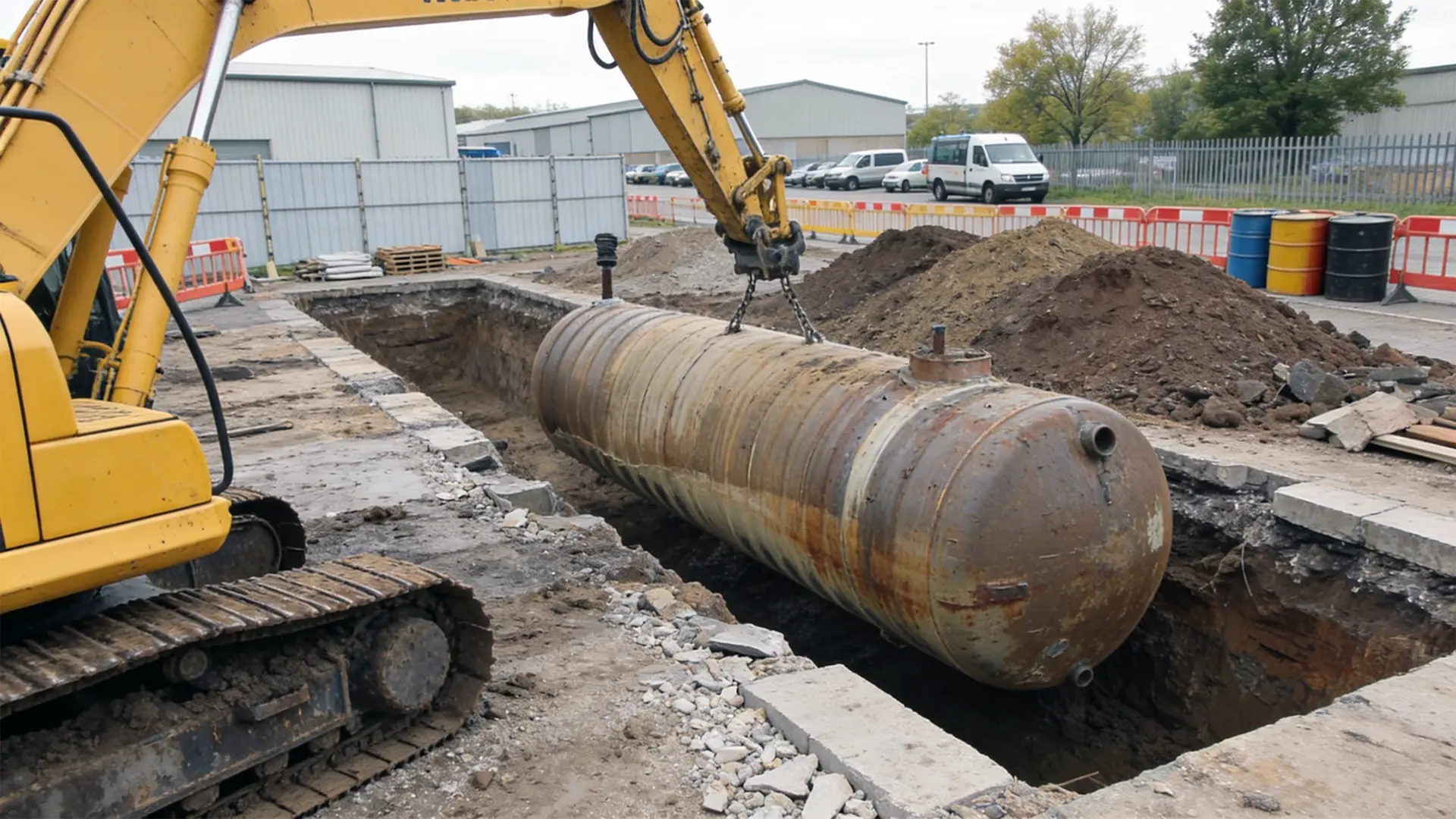
Once cleaned and certified, tanks are excavated using specialist equipment. The surrounding ground is inspected for signs of contamination, and appropriate environmental controls are applied where necessary.
Removal of allows:
- Full inspection of the excavation area
- Identification of contamination risks
- Remediation before pollution spreads
- Compliance with building regulations for redevelopment
Where tanks have previously been solid filled, excavation and removal may still be required if foundations are planned.
Solid Filling of Redundant Tanks
In cases where redundant underground storage tanks do not need to be removed immediately (i.e. it will take time), solid fill can provide a controlled approach to decommissioning tanks.
The process of solid fill includes cleaning the oil tank, removing residual oil and vapours from the tank and replacing the internal void space with an inert substance (such as concrete slurry or specialised foam). Once filled, this will stabilise the structural integrity of the tank, eliminating collapse and vapour hazards.
Solid filling may be appropriate in situations such as:
- Where a tank is no longer required for use.
- Where immediate excavation of the tank is not viable.
- Where Access constraints prevent the removal of the tank.
- Where the Cost implications of removing the tank are disproportionate to the value it provides.
All solid filling works are completed after tank cleaning and gas-free confirmation has been obtained, followed by environmental regulations and health and safety standards.
Removal of Previously Solid-Filled Tanks
Where land is being redeveloped, previously solid-filled tanks often require full removal. While solid filling was considered a safe and cost effective solution at the time, construction requiring foundations means tanks underground must be excavated.
Bio Clean Jetting provides:
- Full risk assessment
- The excavation of solid-filled oil tanks.
- The removal of concrete or foam-filled storage tank systems.
- The controlled dismantling and disposal of the tank systems.
- An environmental survey of the ground surrounding the tank system.
Where foundations are required for new structures, filled tanks cannot remain in place. Removal ensures compliance with building regulations and prevents future structural risk.
Disposal, Recycling and Compliance
Oil tank disposal and the disposal of all related waste must meet the strict Environmental Regulations and Waste Guidance laws.
We have procedures for the safe handling, transportation (by licensed carriers) and disposal at appropriate recycling facilities of residual heating oil, fuel and hazardous substances. Proper disposal is environmentally friendly and supports environmental sustainability.
Professional tank removal ensures:
- The safe removal of all hazardous materials
- Full compliance with waste regulations
- Minimal impact on the environment
- All documentation required to confirm full compliance (essential to prevent legal repercussions and ongoing pollution liability).
Safety and Risk Control
Safety is always paramount when removing an oil tank and/or decommissioning the tank. Risk assessments for all works will be carried out in advance of commencing, and all works will be undertaken by fully competent personnel utilising appropriate, specialist equipment.
Removing a tank safely is non-negotiable. All hazardous materials, dangerous or flammable vapour, and confined spaces encountered during works will be controlled and managed to ensure that the environment and all persons on site are protected.
When Should an Oil Tank Be Removed?
Oil tanks are to be removed if structural integrity is an issue, if a heating oil system has been replaced, or when an old tank presents potential environmental/safety concerns. The abandonment of a fuel tank or allowing it to remain in place unused will increase the likelihood that there will be contamination or an inability to meet regulatory requirements for compliance.
Cost Considerations
Oil Tank Removal Costs vary greatly based on tank size, difficulty of access, ability to safely clean, its location (i.e. above ground or underground), along with several other variables that can affect the removal of the oil tank.
Commercial Oil Tank removal is typically much more involved than residential oil tank removals due to the complexity of removal and the disposal of the removed oil tanks.
For a detailed breakdown of oil tank removal cost factors, see our dedicated Oil Tank Removal Cost Guide.
Frequently Asked Questions
How much does it cost to remove an oil tank in the UK?
Is tank cleaning required before removal?
Do you remove underground tanks?
Get a Quote Today
We take into account several things when formulating a quote for the removal of your tanks. Simply fill in the form here and we’ll get back to you within 24 hours. Alternatively call us on: 0121 493 2332.
Oil Tank Assessment
Answer a few questions to determine if your oil tank needs removal
The Premier Tank Removal Company in Great Britain
Phone: 0121 493 2332
SERVICES AVAILABLE throughout Great Britain
England
- Bedfordshire
- Berkshire
- Bristol
- Buckinghamshire
- Cambridgeshire
- Cheshire
- City of London
- Cornwall
- Cumbria
- Derbyshire
- Devon
- Dorset
- County Durham
- East Riding of Yorkshire
- East Sussex
- Essex
- Gloucestershire
- Greater London
- Greater Manchester
- Hampshire
- Herefordshire
- Hertfordshire
- Isle of Wight
- Kent
- Lancashire
- Leicestershire
- Lincolnshire
- Merseyside
- Norfolk
- North Yorkshire
- Northamptonshire
- Northumberland
- Nottinghamshire
- Oxfordshire
- Rutland
- Shropshire
- Somerset
- South Yorkshire
- Staffordshire
- Suffolk
- Surrey
- Tyne and Wear
- Warwickshire
- West Midlands
- West Sussex
- West Yorkshire
- Wiltshire
Worcestershire
Scotland
- Aberdeen City
- Aberdeenshire
- Angus
- Argyll and Bute
- Clackmannanshire
- Dumfries and Galloway
- Dundee City
- East Ayrshire
- East Dunbartonshire
- East Lothian
- East Renfrewshire
- Edinburgh (City of Edinburgh)
- Eilean Siar (Western Isles)
- Falkirk
- Fife
- Glasgow City
- Highland
- Inverclyde
- Midlothian
- Moray
- North Ayrshire
- North Lanarkshire
- Orkney Islands
- Perth and Kinross
- Renfrewshire
- Scottish Borders
- Shetland Islands
- South Ayrshire
- South Lanarkshire
- Stirling
- West Dunbartonshire
- West Lothian
Wales
- Blaenau Gwent
- Bridgend
- Caerphilly
- Cardiff
- Carmarthenshire
- Ceredigion
- Conwy
- Denbighshire
- Flintshire
- Gwynedd
- Isle of Anglesey
- Merthyr Tydfil
- Monmouthshire
- Neath Port Talbot
- Newport
- Pembrokeshire
- Powys
- Rhondda Cynon Taf
- Swansea
- Torfaen
- Vale of Glamorgan
- Wrexham
Latest Tank Removal Articles