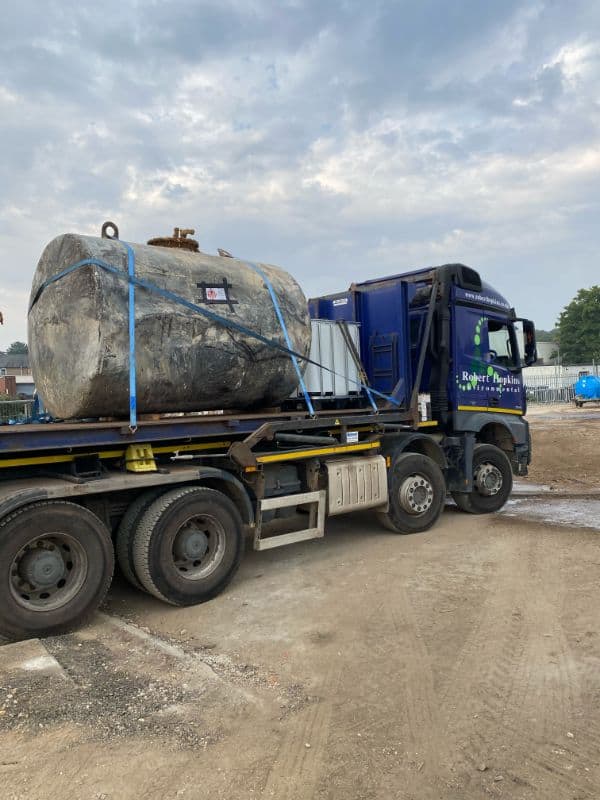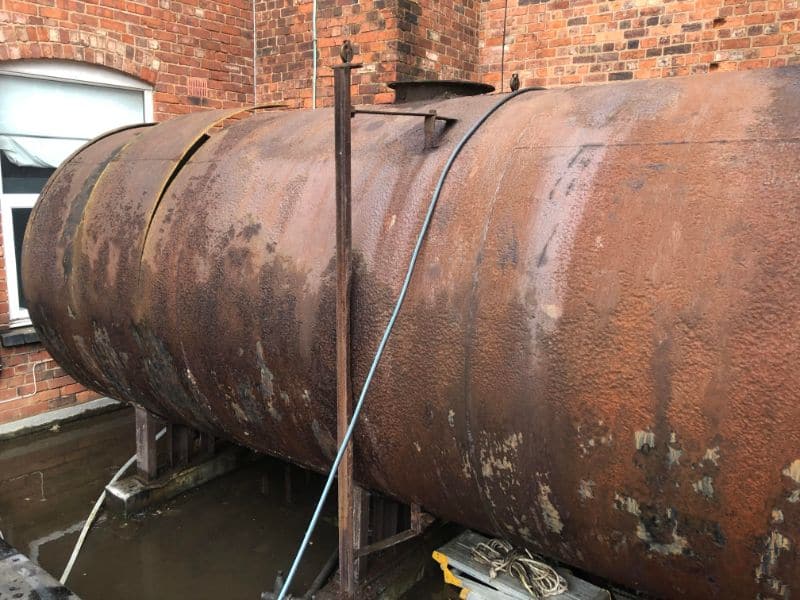
Oil tank removal costs vary depending on tank size, location, contents, access constraints and the level of decommissioning required. No two tank removal projects are identical, and accurate pricing can only be confirmed following site assessment.
This guide explains the key factors that influence oil tank removal cost and why professional evaluation is essential.
What Influences Oil Tank Removal Cost?
The cost of removing an oil tank is determined by operational, environmental and safety considerations.
Key cost factors include:
- Size and construction of the tank
- Whether the tank is above ground or underground
- Remaining heating oil or fuel contents
- Accessibility for plant and lifting equipment
- Proximity to buildings, boundaries or services
- Requirement for excavation works
- Level of contamination or environmental risk
- Waste classification and disposal requirements
- Decommissioning versus full removal
Underground tank removal generally requires additional control due to excavation, ground reinstatement and contamination inspection.
Domestic Oil Tank Removal Costs
Domestic oil tank removal typically involves heating oil tanks located within gardens, driveways or adjacent to residential properties.
Costs may increase where:
- The tank is buried underground
- Restricted access prevents direct lifting
- Oil contamination is present
- Landscaping or hardstanding requires reinstatement
- Tanks have been previously solid filled
Accurate pricing depends on site-specific conditions. A structured assessment ensures scope is properly defined before works commence.
For broader removal capability, see our Tank Removal & Decommissioning Services.
Underground Tank Removal Cost Considerations
Underground tanks require controlled excavation and environmental safeguards.
Additional cost drivers may include:
- Excavation depth
- Soil stability
- Groundwater presence
- Removal of solid-filled tanks
- Environmental inspection and testing
- Remediation of contaminated soil
Where contamination is identified, further environmental control measures may be required. Addressing risks early prevents escalation and long-term liability.
Commercial and Industrial Tank Removal Costs
Commercial fuel tanks and industrial storage tanks are often located within live operational environments.
Cost considerations include:
- Larger tank capacity
- Bunded installations
- Complex pipework systems
- Confined spaces
- Phased removal to maintain site operations
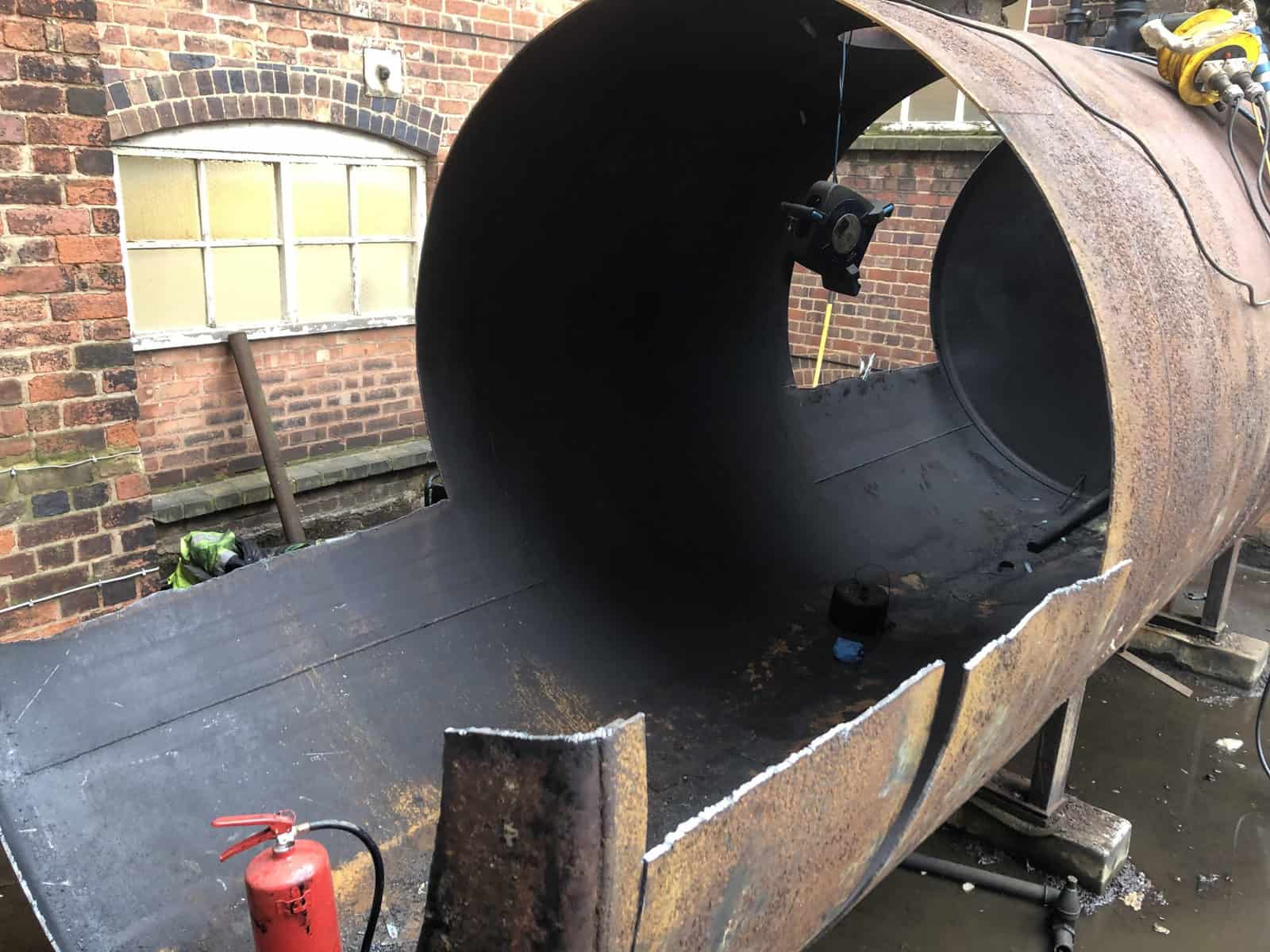
- Specialist lifting or sectional dismantling
Industrial tank removal projects are assessed in line with health and safety requirements and environmental compliance standards.
Decommissioning Versus Full Removal
In some cases, tank decommissioning may be more appropriate than full removal.
Decommissioning may involve:
- Tank cleaning
- Degassing
- Isolation from fuel systems
- Solid filling with inert material
While decommissioning can reduce immediate excavation costs, future redevelopment requiring foundations will usually necessitate full removal.
See our overview of Tank Removal Legal Responsibilities for ownership and compliance considerations.
Why Proper Assessment Is Essential
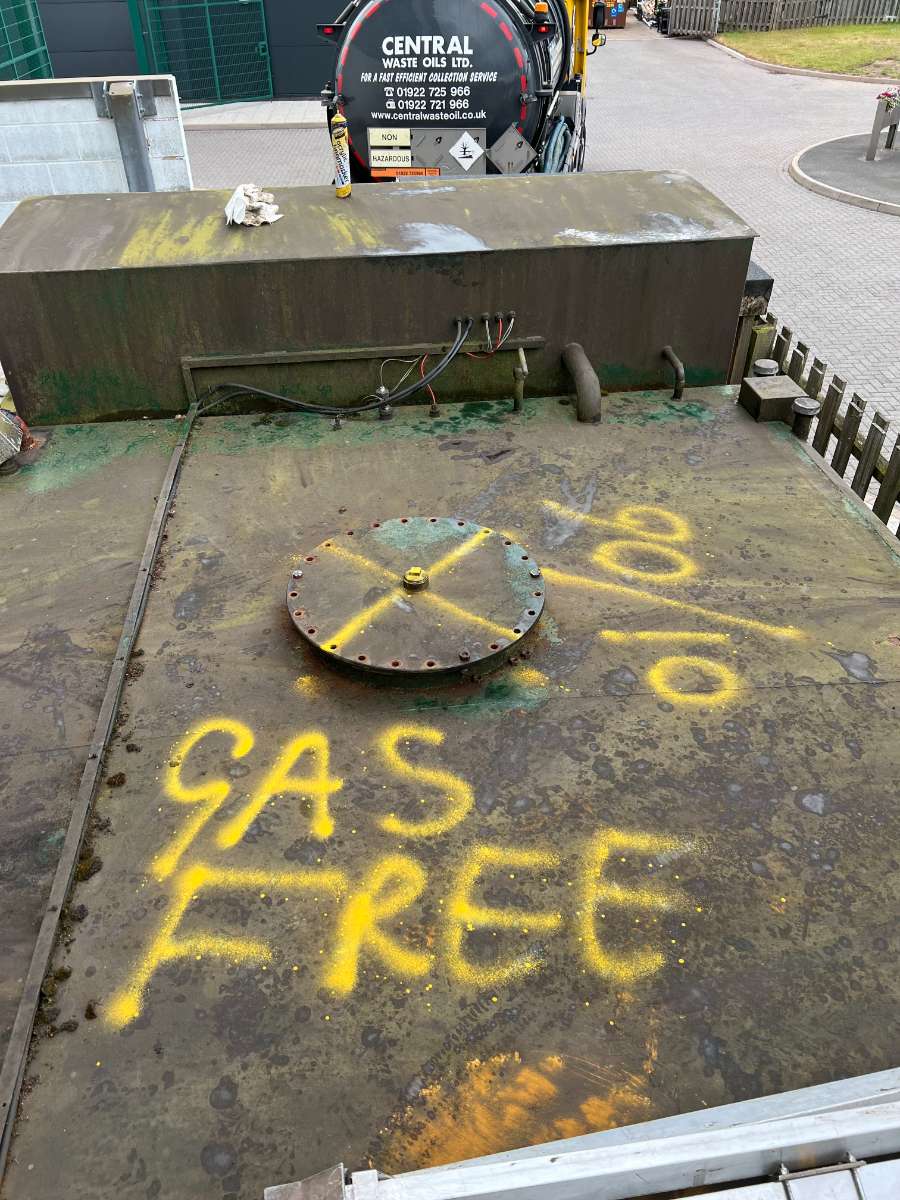
Oil tanks are classified as hazardous until professionally cleaned and certified gas free. Inadequate removal or incomplete decommissioning can result in:
- Environmental contamination
- Enforcement action
- Increased remediation costs
- Ongoing liability for property owners
A professional survey ensures that all cost drivers are identified before works begin.
For process detail, see our guide explaining how the oil tank removal process works.
How We Provide Accurate Pricing
Bio Clean Jetting provides controlled, site-specific quotations based on:
- Physical inspection or site information
- Tank specification and condition
- Access constraints
- Environmental risk profile
- Disposal requirements
This ensures scope clarity and prevents unexpected cost escalation.
Request a Tank Removal Assessment
If you require an accurate oil tank removal cost assessment, arrange a site review. We will evaluate the tank, surrounding conditions and compliance requirements before issuing a detailed quotation.
Professional assessment reduces risk, protects the environment and ensures works are completed in line with current regulations.