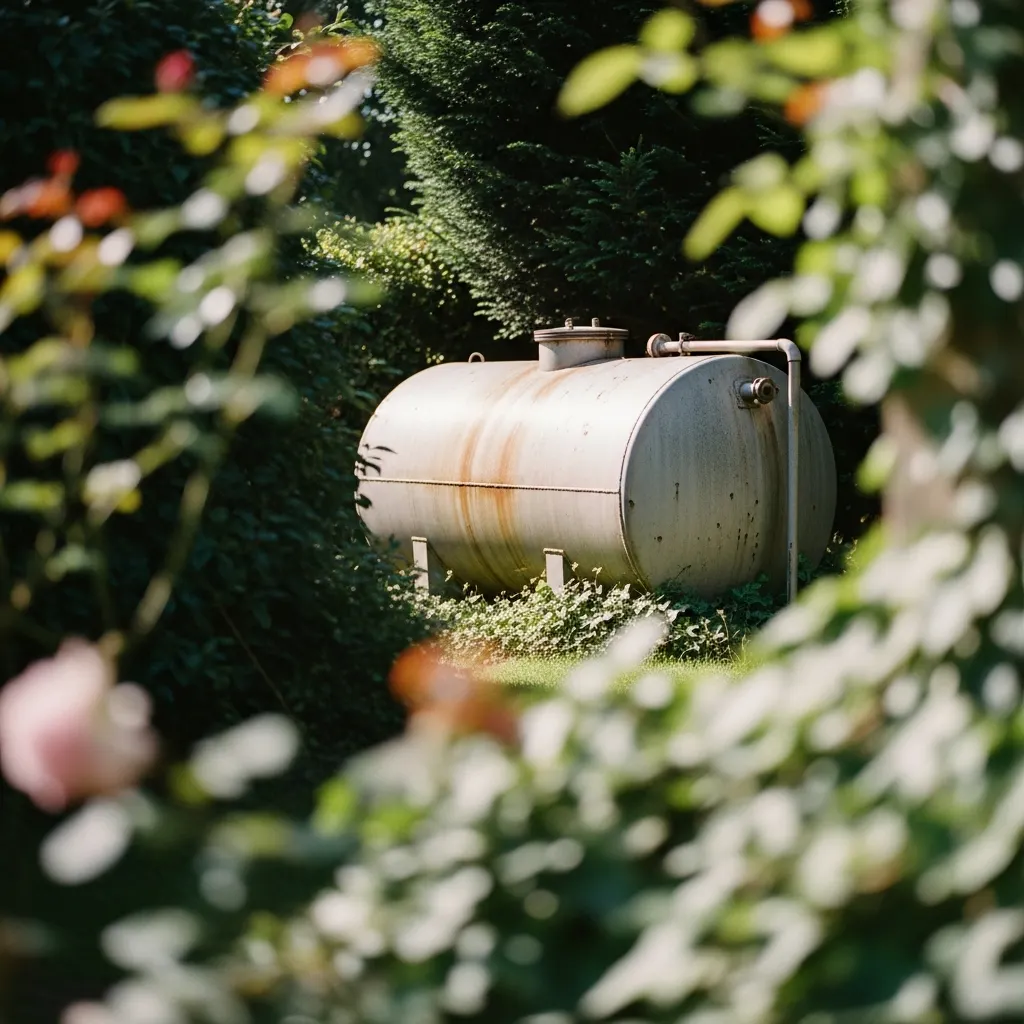
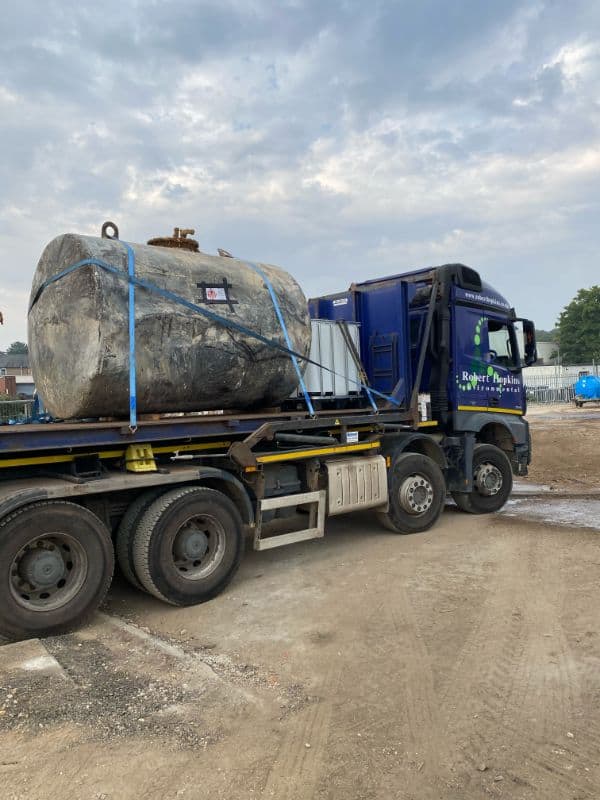
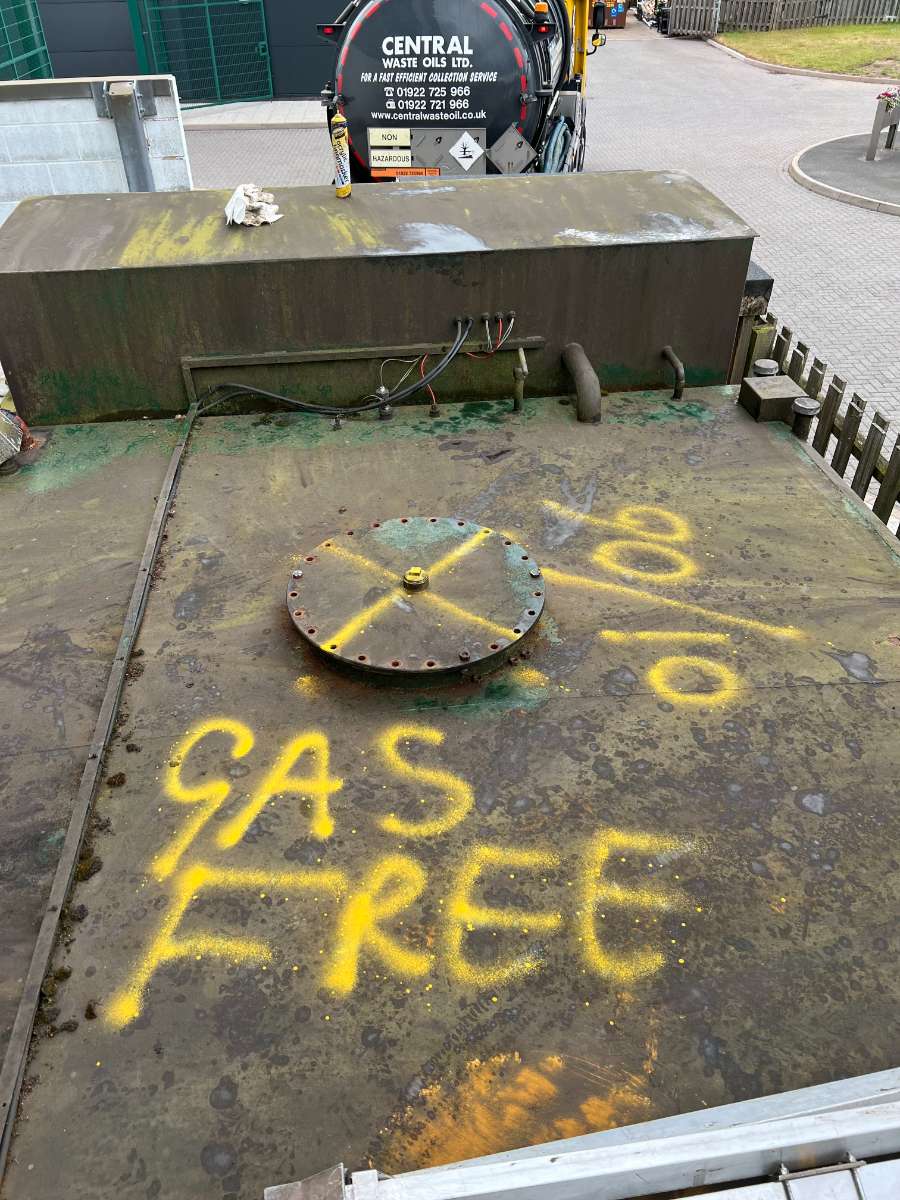
Oil heating tanks are used across the UK to store heating oil for properties not connected to the mains gas grid. These oil tanks form part of a heating system where oil is drawn from the tank to a boiler, vaporised and ignited when heat is required.
Bio Clean Jetting provides a nationwide service covering oil tanks, including tank cleaning, removal, installation support and high-pressure jetting. All works are delivered with controlled processes, compliant waste handling and clear documentation.
What Oil Heating Tanks Are
Oil heating tanks are storage containers designed to hold heating oil (kerosene) for domestic and commercial properties not connected to the mains gas grid.
Within a heating system:
- Oil is stored in the tank
- A pump draws oil to the boiler
- Oil is vaporised and ignited
Domestic oil tanks are widely used in residential properties. In contrast, larger oil tanks and steel tanks are used in commercial and industrial environments.
Types of Oil Tanks
Oil tanks are built in different configurations depending on requirements, installation and compliance.
Single Skin Oil Tanks
Single skin tanks are older oil tanks, often steel tanks or early plastic units.
- Single-wall construction
- No containment layer
- Higher risk of leaks and spillage
- Often non-compliant for domestic use
Single skin oil tanks require additional protection where located near boundaries or water sources, particularly where there is a risk of oil entering drains or waterways.
Bunded Oil Tanks
Bunded oil tanks are the standard for modern domestic oil tanks.
- Double-skinned construction
- The inner tank holds oil
- The outer bund is designed to contain leaks
- Helps prevent leaks and contamination
Bunded Oil Tanks" or "Double-Skinned Oil Tanks", offer another level of security and, due to this feature, are strongly suggested in residential applications since they minimise the potential environmental harm.
Modern Bunded Oil Tanks have been created with the intention of preventing spills and pollution; therefore, they are the safest option for storing heating oil compared to Single Skin Tanks.
Integrally Bunded and Double Bunded Tanks
Oil tanks are categorised as:
- Single skin
- Integrally bunded oil tanks
- Double bunded tanks
Integrally bunded oil tanks are the most common type used in domestic installations, with built-in containment.
Double bunded tanks are typically used in commercial environments where maximum protection against leaks and environmental contamination is required.
Plastic and Steel Tanks
Oil tanks are built using:
- Plastic – common in domestic oil tanks
- Steel – used in commercial and industrial tanks
Plastic tanks typically last around 20 years. Steel tanks can last 30 years or more when properly maintained.
Steel bunded oil tanks are used where additional durability, security and compliance are required.
Types of Oil Tanks – Risk and Compliance Comparison
Oil tanks are not all built to the same standard. The table below shows the main differences between single skin, bunded and double bunded oil tanks in terms of construction, risk profile, compliance and typical use.
| Tank Type | Construction | Risk Level | Compliance Position | Typical Use |
|---|---|---|---|---|
| Single Skin | Single-wall tank with no outer containment layer. | High Risk | Often non-compliant for modern domestic use unless additional protection is in place. | Older domestic sites and legacy installations. |
| Integrally Bunded / Bunded | Inner tank with built-in outer bund designed to contain leaks. | Low Risk | Common standard for modern domestic oil tanks and preferred for improved environmental protection. | Domestic and residential properties. |
| Double Bunded | Dual containment system designed for a higher level of control and protection. | Very Low Risk | Typically used where stronger containment and compliance are required. | Commercial, industrial and higher-risk environments. |
Single Skin
Integrally Bunded / Bunded
Double Bunded
Oil Tank Sizes, Range and Capacity
Oil tanks are available in a wide selection of sizes and shapes to suit different property requirements.
Capacity and Sizing
Typical domestic oil tanks:
- 1000 litres to 2500 litres
- Approx. 500 litres per bedroom
Capacity should match heating oil usage and delivery frequency.
Homeowners must monitor oil levels as heating oil is not supplied continuously like mains gas and must be actively managed to avoid running out.
Oil Tank Capacity Estimator
Use this guide to estimate a suitable oil tank capacity based on property size and expected heating oil demand. This is a planning tool only. Final tank selection should always take into account available space, delivery frequency, site constraints and compliance requirements.
- Base guide uses approximately 500 litres per bedroom.
- Usage level adjusts the recommended tank size up or down.
- Typical domestic oil tanks commonly fall between 1000 and 2500 litres.
- This tool is intended to help users judge likely range, not specify a final tank.
Based on a 3-bedroom property with medium usage, a tank in the region of 1,500 litres is a practical starting point.
Note: The right oil tank also depends on tank footprint, access, delivery schedules and whether a bunded oil tank is required.
Shapes and Installation Position
There is a variety of different Oil tank designs and sizes available to accommodate different situations and environments.
Some examples of these different types of Oil tank designs are as follows:
- Slimline tanks - for confined or narrow places.
- Standard tanks - for wide open spaces.
The shape and footprint of the tank should suit the available space while also meeting clearance requirements from buildings and boundaries.
Oil Tank Installation Requirements (UK)
All oil tanks must be installed according to UK legislation.
These installation requirements cover:
- A Level solid base
- At least a certain distance away from buildings and boundaries
- Located to protect water sources and drainage
New domestic oil tanks must comply with building control regulations regarding proximity and tank type.
Qualified installers should complete the installation, typically OFTEC-registered.
Legal Responsibilities and Compliance
Owners of oil tanks are responsible for:
- Ongoing maintenance of their oil tanks
- Prevention of oil spills or contamination from their oil tanks
- Continued compliance with regulations regarding oil tanks
Oil tank owners have a responsibility under the law to protect the environment by preventing oil leakage and/or spilling from their tanks. The consequences of failing to take steps to prevent oil leaks/spills include damage to the environment; civil and/or regulatory action against them, as well as fines and/or, in extreme situations, criminal charges.
Oil spill insurance is typically required and may depend on:
- Annual inspection
- Maintenance records
- Prompt repair of issues
Oil Tank Maintenance
Regular Maintenance of Oil Tanks & Heating Systems are required to ensure Safety and Efficiency.
Potential Risks Include:
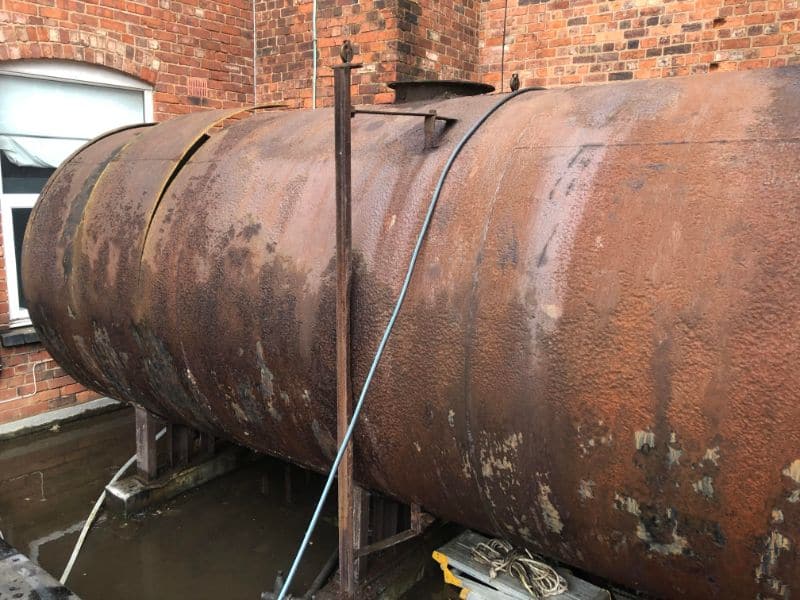
- Corrosion in Steel Tanks
- Degradation of Plastic Tanks
- Sludge Build Up
- Undetected Leaks
Regular maintenance on your oil tanks will help reduce the potential for contamination & System Failure, ensuring that your tank remains both Safe & Compliant with regulations.
Oil Tank Cleaning
When a contaminant has been identified within an oil tank, it requires cleaning. Contamination can manifest as:
- Sludge Build Up
- Water Ingress into the tank
- Degradation of the heating oil.
Bio Clean Jetting delivers controlled tank cleaning:
- Removal of Old Oil & Sludge
- Internal Jetting of the tank.
- Waste Management.
- Preparation of the tank for either Reuse or Removal
Oil Tank Removal and Replacing
Oil tanks may require replacing or removal where they are:
- Non-compliant
- Structurally damaged
- No longer required
- At risk of leaks
Works include:
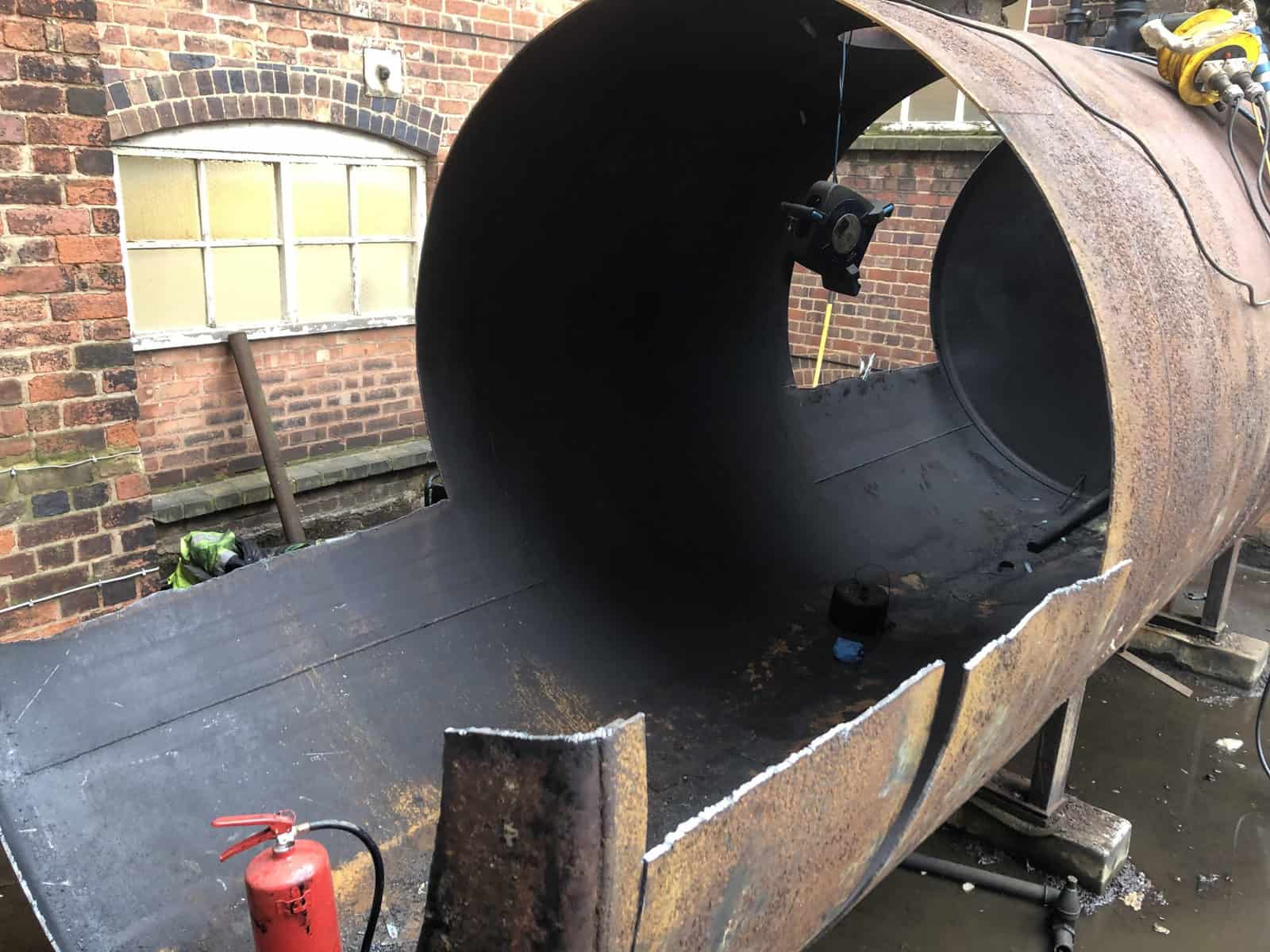
- Decommissioning
- Cleaning
- Dismantling
- Removal
Replacing a tank with a bunded oil tank improves compliance and reduces the risk of leaks and environmental damage.
High-Pressure Jetting for Oil Tanks
High-pressure jetting is used to clean oil tanks and associated systems.
Applications include:
- Pipework cleaning
- Removal of oil residue
- Drain cleaning
Jetting provides controlled removal of contamination.
Domestic Oil Tanks
Domestic oil tanks are:
- Plastic or bunded
- Installed for residential use
- Lower capacity
Bunded oil tanks are strongly recommended for domestic use as they provide additional protection against leaks and help meet regulatory requirements.
Common services include installation, replacing and cleaning.
Commercial Oil Tanks
Commercial oil tanks are:
- Larger capacity
- Often steel tanks
- Used in regulated environments
Double-bounded tanks are commonly used in commercial applications where additional containment and protection are required.
Services include:
- Tank cleaning
- Decommissioning
- Removal
Preventing Leaks and Spillage
Oil tanks must be managed to prevent leaks.
Control measures include:
- Use of bunded oil tanks
- Regular inspection
- Correct installation
Leaks and spillage can cause contamination of land and water and lead to enforcement action if not controlled.
Supply, Installation and Costs
Oil tanks are available to buy in a range of sizes, specifications and materials.
Costs are typically quoted:
- Inc VAT for domestic supply
- Ex VAT for commercial projects
Factors affecting pricing:
- Tank size and capacity
- Material (plastic or steel)
- Installation requirements
- Access and site conditions
While many suppliers offer oil tanks to buy or order, installation and compliance must be considered alongside cost.
Choosing the Right Oil Tank
Choosing the right oil tank requires:
- Correct capacity
- Suitable location
- Compliance with regulations
- Appropriate construction type
A carefully selected tank ensures safe operation and reduces long-term risk.
Nationwide Oil Tank Services
Bio Clean Jetting provides oil tank services across the UK.
Services include:
- Tank cleaning
- Tank removal
- High-pressure jetting
- Decommissioning
All works are delivered using controlled methods, trained operatives and compliant waste handling.
Arrange Oil Tank Works
If you require oil heating tanks to be cleaned, removed or decommissioned, contact the team to arrange works.
Scope is assessed and delivered with a clear process, defined requirements and compliant execution.